Choosing the Right Size: Why Smaller Assisted Living Homes Typically Supply Better Care
Business Name: BeeHive Homes Assisted Living
Address: 2395 H Rd, Grand Junction, CO 81505
Phone: (970) 628-3330
BeeHive Homes Assisted Living
At BeeHive Homes Assisted Living in Grand Junction, CO, we offer senior living and memory care services. Our residents enjoy an intimate facility with a team of expert caregivers who provide personalized care and support that enhances their lives. We focus on keeping residents as independent as possible, while meeting each individuals changing care needs, and host events and activities designed to meet their unique abilities and interests. We also specialize in memory care and respite care services. At BeeHive Homes, our care model is helping to reshape the expectations for senior care. Contact us today to learn more about our senior living home!
2395 H Rd, Grand Junction, CO 81505
Business Hours
Families rarely start by asking, "How big is the building?" when they start trying to find assisted living or senior care. They inquire about safety, generosity, activities, expenses, perhaps memory care. Yet, after years of walking households through choices and working inside both big senior neighborhoods and small residential homes, I have actually seen one factor predict quality more reliably than practically anything else: size.
The number of locals in a home shapes practically every part of elderly care. It affects how well staff understand each person, how quickly subtle health modifications are discovered, how versatile routines can be, and whether respite care feels like authentic relief or a difficult interruption.
Large facilities can look excellent, with chandeliers, bistros, and busy calendars. Smaller assisted living homes frequently sit quietly in residential communities, in some cases converted from single family houses, with six to 10 residents and a tiny parking lot. From the street, they can seem typical. Inside, the distinction in lived experience is often dramatic.
This article concentrates on that difference, and on when a smaller setting may provide much better look after an older adult you love.
What "small" in fact indicates in assisted living
In practice, "small" generally refers to assisted living homes with someplace between 4 and 16 homeowners. Licensing categories vary by state, but you may see terms like:
Residential care home.
Adult family home. Board and care home. Group home. Care cottage or micro community.These are not marketing labels even regulative ones, but the pattern is similar. Small homes normally:
Operate in a home or a small, home like building.
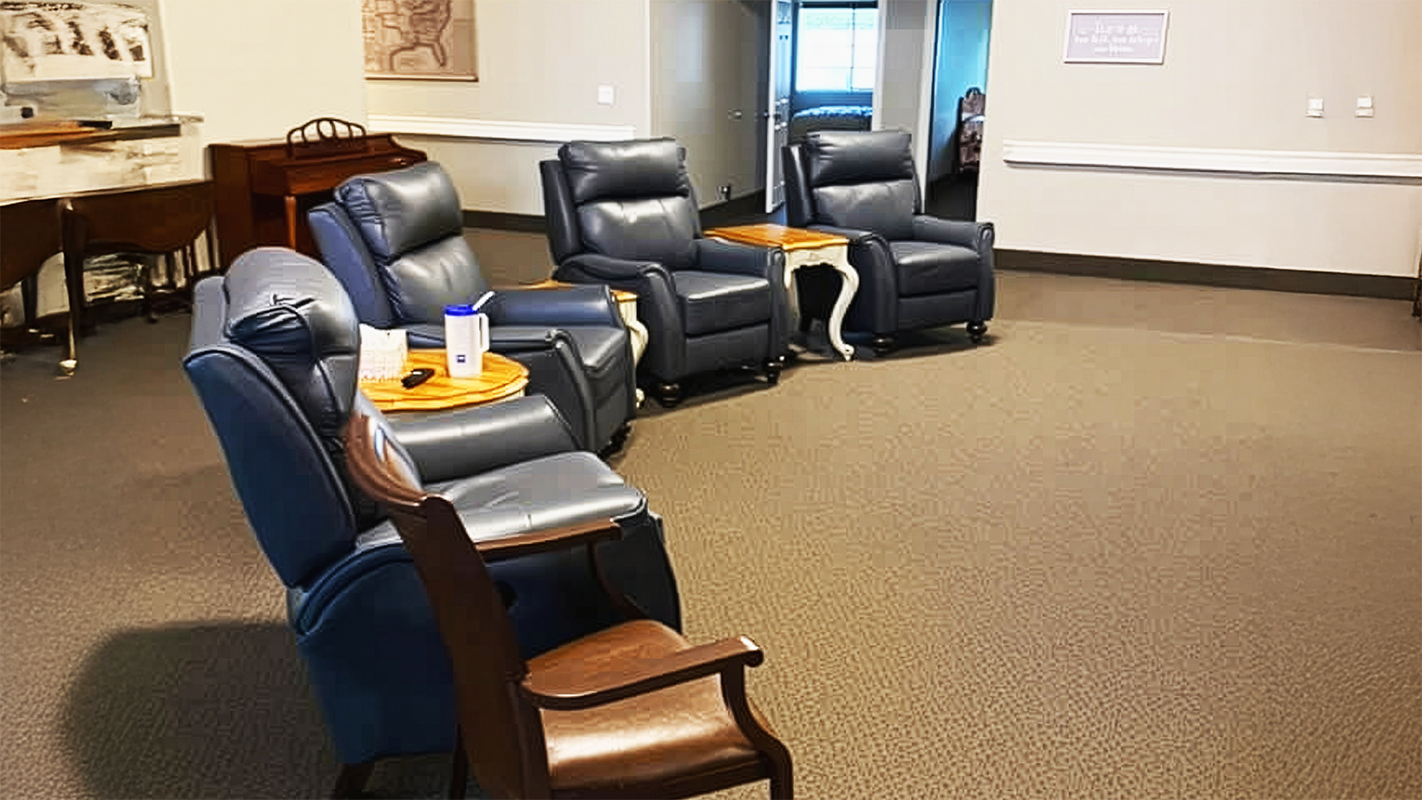
Larger assisted living communities may have 50, 100, even 200 citizens throughout several wings and floorings. They often consist of different dining rooms, specialized memory care units, physical therapy health clubs, beauty parlor, and a more formalized administrative structure.
Both models can be licensed as assisted living and can legally offer comparable levels of assistance with activities of daily living: bathing, dressing, medication reminders, mobility aid, toileting, and fundamental health monitoring. The policies do not fully capture how different the everyday experience feels in a home with 8 locals versus a campus with 120.
Why size matters more than most households realize
The most sincere way to describe it is this: smaller homes make it more difficult to hide. That works in favor of the resident.
In a community with 80 citizens, a team member might do their finest, however they are juggling more faces, more apartments, more calls. When staffing is tight, homeowners who are peaceful, shy, or cognitively impaired are at higher risk of flying under the radar. A small shift in state of mind, a slower gait, a small reduction in cravings can be easy to miss when a caregiver's job list is large.
In a small assisted living home, there are less places to disappear to. Meals happen at one table or in one space. Staff and residents see each other consistently throughout the day, not simply at arranged care times. When routines are that intimate, changes stand out.
This has practical results:
An early urinary tract infection is captured because someone notices that Mrs. Lopez is asking for the bathroom more often and appears "foggy" compared to yesterday.
A subtle medication side effect is flagged due to the fact that Mr. Kumar, who typically completes breakfast, has left half his plate untouched three days in a row. A peaceful resident who rarely complains is seen recoiling when moving out of a chair, and the team member has enough time and connection to ask follow up questions.Health care experts call this connection and familiarity. Households typically describe it more just: "They actually understand Mom here."
How smaller homes change personnel relationships
Caregiver ratios are essential, however they do not inform the full story. A big assisted living facility might market 1 staff member for every single 10 homeowners. A small home may state 1 to 5 or 1 to 8. On paper, these appearance similar once you factor in day versus night, peak versus low activity times.
The distinction lies less in the numbers and more in the pattern of contact.
In a large building, staff projects alter regularly. One week, a resident might have a specific aide aiding with bath and dressing. The next week, another person covers that corridor due to staffing modifications. Managers do their finest to preserve continuity, but with dozens of workers and numerous shifts, variation is inevitable.
In a small assisted living home, there are simply less individuals on the schedule. The same caretaker may assist with breakfast, medication tips, showers, and night routines for the same handful of citizens, day after day. Over time, this consistency permits staff to:
Learn everyone's baseline habits and quirks.
Pick up on small discrepancies that may indicate trouble. Construct enough trust that citizens share concerns more freely. Notification relational concerns, such as two citizens who argue consistently or a brand-new resident who feels left out.One caregiver when informed me, about a 6 resident home where she worked, "There is no devising here. If you remain in a tiff, they all feel it. And if one of them is off, we feel that too." That shared presence can be emotionally demanding, however it keeps the caregiving relationship authentic.
Daily life: regular, versatility, and control
Many households imagine assisted living as a location with jam-packed activities calendars and social options at every hour. Big neighborhoods work hard to provide that: motion picture nights, bingo, lectures, exercise classes, outings, spiritual services, live music. For some senior citizens, especially those who are outbound and mobile, this range is energizing.
Small homes seldom have that scale of programming. Instead, they offer a quieter rhythm. The living room may host an easy workout session with lightweight. A volunteer comes over to play guitar on Thursdays. An employee sets up a puzzle at the table. A trip may be a trip in a van to the park, not a big organized excursion.
What small homes can frequently provide, however, is greater flexibility and individual control for homeowners who do not fit into a rigorous group schedule.
If a resident is utilized to waking at 9:30 and prefers coffee before conversation, a caregiver in a small home is more likely to accommodate that preference. They are not rushing to get 25 individuals dressed and into the dining room before a fixed breakfast window closes. If someone is having a difficult morning with arthritis discomfort, there is more space to change timing.
Meals are another example. In many big assisted living communities, menus are prepared weeks in advance. Residents choose from numerous choices, which can be rather great, however the cooking area runs on a tight system: breakfast is served from 7:30 to 9:00, lunch from 11:30 to 1:30, and so on.
In a small home, the food frequently looks more like household style cooking. There may not be five meal choices, but the cook can react on the fly. If 2 locals crave oatmeal rather of eggs, it is simpler to say yes. If someone has a preferred soup that reminds them of home, the staff may be able to integrate it more easily into the rotation.
For senior citizens with cognitive decrease, including early to mid phase dementia, this versatile, home like environment often feels less frustrating. There are fewer corridors, fewer spaces to puzzle, less faces to track. The same sofa, the same canine oversleeping the corner, the exact same caretaker singing while she sets the table. Predictability can be exceptionally calming.
Respite care: when a brief stay requires to feel like a safe harbor
Respite care, in plain language, is short term assisted living or elderly care that gives family caregivers a break. It may be a week while a child travels for work, a month while a partner recuperates from surgery, or a few days to prevent burnout after a hard season.
In large senior care communities, respite homeowners sometimes seem like visitors in a hotel: admitted, oriented, then combined into an existing system. Personnel might be kind, however they are managing a capacity. It can take a while for a short-term resident's preferences and history to be known beyond the basics in the chart.
Smaller assisted living homes deal with respite care in a different way practically by design. When there are 8 citizens rather of eighty, a new arrival stands apart. The personnel will naturally invest more time in direct contact, helping with unpacking, joining meals, and folding the individual into day-to-day routines. Routine homeowners likewise see and, in numerous homes, welcome the new person with a kind of informal hospitality that is difficult to script.
I have actually seen respite stays in small homes end up being turning points. One son used a 2 week respite for his mother in a 6 bed home while he looked after immediate service out of state. He returned anticipating guilt and tears. Instead, his mother welcomed him with, "You look exhausted. Did you eat?" and a list of brand-new pals she had actually made. She picked to move in numerous months later on, not out of pressure, however since the respite stay revealed her that assisted living might feel like extended family instead of institutionalization.
That stated, respite care in small homes does have limitations. Capacity is tight, and a single respite bed can be tough to protect. Preparation ahead matters more, specifically around holidays and summer months when family caretakers are more likely to travel.
Key distinctions in between small and large assisted living homes
The following comparison is streamlined, however it records patterns numerous households see when they tour both options.
- Atmosphere: Large neighborhoods tend to seem like hotels or schools, with lobbies and numerous wings. Small homes feel closer to a shared household, often quieter and less polished, however usually more familiar.
- Social life: Big settings can provide more structured activities and a larger swimming pool of prospective pals. Small homes rely more on natural discussion, staff engagement, and small group interactions.
- Staff relationship: In large centers, residents may interact with numerous employee, which can be energizing however likewise impersonal. In small homes, relationships are less and better, with more continuity.
- Flexibility: Larger operations depend on schedules and systems to function, which can limit versatility. Smaller homes often adjust more around private routines, though they might use fewer official alternatives overall.
Neither is universally "better," but for many elders who are frail, shy, quickly overwhelmed, or having problem with memory, the trade offs typically favor the smaller environment.
Clinical results: what we in fact see over time
There is minimal big scale research that straight compares results between small and large assisted living models, partially due to the fact that licensing categories vary by state and data can be unpleasant. Still, patterns emerge in practice.
Families and doctor often report:
Slower functional decrease in small homes, especially for locals with moderate problems who receive hands on cueing and assistance throughout the day instead of just at scheduled times.
Fewer avoidable hospitalizations due to dehydration, missed out on medications, or late recognition of infections. These concerns are not unique to large neighborhoods, but they are less most likely to advance undetected in a smaller, more firmly observed setting. Better behavioral stability for residents with dementia, most likely connected to lower environmental stimulation, constant staffing, and easier routines.At the same time, larger senior care neighborhoods often provide much better access to on website services such as going to physicians, laboratory draws, physical treatment, or specialized centers. They may likewise have more robust emergency situation reaction systems, formal fall avoidance programs, and security infrastructure.
A frail older adult with numerous intricate medical conditions might gain from a bigger setting if that setting is attached to a continuum of care: knowledgeable nursing, rehab, palliative care. A fairly stable elder elderly care in home who mainly requires help with everyday jobs and companionship might grow more in a small assisted living home where life feels less medicalized.
The trade offs: smaller is not always easier
It is appealing to romanticize small homes as generally warm and attentive. The truth is more nuanced.
Staff burnout can be a risk. With just a couple of caregivers, character conflicts or staff turnover struck harder. If a precious caregiver leaves, all locals feel that loss. Leadership quality matters as much as size.
Regulation and oversight are likewise unequal. Some states carefully keep track of residential care homes with routine assessments and transparent reporting. Others are looser. A smaller home that is poorly run can hide severe deficiencies behind a friendly facade.
Families need to likewise recognize limits of scope. Lots of small homes are not developed to handle:
Complex medical gadgets such as ventilators or substantial IV therapies.
Frequent two individual transfers requiring heavy equipment. Extreme behavioral issues such as ongoing hostility, roaming that continues regardless of interventions, or extreme exit seeking.The finest small assisted living homes are honest about what they can and can not securely manage. They partner with home health, hospice, or outside clinicians when required, and they interact early when a resident's needs might outgrow their model.
How to assess a small assisted living home
Touring a small home feels different from visiting a huge facility. There is often no pamphlet rack, no marketing director, no grand lobby. Often a caregiver opens the door while stirring a pot on the range. This informality can be refreshing, however it likewise implies you must be more intentional about what you observe and ask.
Here is a brief, useful list to bring with you:
- Ask about staffing: The number of caretakers are on duty during days, evenings, and nights? Who covers when somebody calls in sick?
- Clarify medical assistance: Who manages medications, and how are they saved and tracked? Which going to healthcare providers come regularly?
- Explore regimens: How repaired are wake times, meals, and activities? How do they adapt to a resident who prefers a various rhythm?
- Discuss end of life: Can the home assistance residents through severe decrease with hospice involvement, or do they usually transfer individuals out?
- Request references: Can they connect you with one or two existing or previous member of the family happy to share their experience?
During the visit, trust your senses. Odor matters. Noise levels matter. View how personnel talk with residents when they think no one is actually listening. Are they utilizing nicknames or titles the resident clearly chooses? Do they crouch to eye level or talk from across the space? Tone and body movement often speak more loudly than policies.
I also suggest arriving a few minutes early or remaining a few minutes past the official tour. That unscripted time reveals more of the genuine rhythm of the place.
Cost, openness, and what you in fact get for your money
Families typically assume that small assisted living homes are less expensive because they look easier, without grand architecture or large dining-room. That is not always the case.
Costs vary commonly by area, however numerous patterns tend to show up:
Base rates in small homes can be similar to, or somewhat lower than, mid range large neighborhoods in the exact same area.
Care level fees are typically more straightforward, in some cases bundled as "all inclusive" in very small homes so that increases in help do not produce endless small surcharges. Additional services such as on site beauty parlor, transportation to remote consultations, or complex therapies might not be readily available, so families need to budget plan separately if those are needed.The key is to ask in-depth questions about what is consisted of. Two homes charging the same month-to-month charge may provide really various things. For instance, one might include incontinence supplies, medication management, and escort to meals. Another may charge extra for each of those pieces.
Transparent small homes are normally rather direct when you ask, "If my mother's needs increase with time, what type of expense modifications should we anticipate?" Be careful vague answers that lean too heavily on "We will work with you" without clear parameters.
When a bigger assisted living community might be the much better fit
Despite the many advantages of smaller homes, there are situations where a bigger senior care community is more appropriate.
An elder who is highly social, likes occasions, and delights in range might feel stifled in a very small environment. They may want an option of three exercise classes, a book club, a choir, and a woodworking group. A large neighborhood is much better geared up to offer that menu.
Some families likewise desire a continuum of care on one campus: independent living, assisted living, memory care, nursing home. They value the ability to move a loved one in between levels of care without altering familiar environments completely. Small homes normally can not offer that range.
Transportation can matter too. Larger communities typically run arranged shuttle bus to shopping mall, spiritual services, and cultural events. Small homes might offer standard transport to medical visits, but very little beyond that.
Finally, if an individual has very complex medical needs that stop brief of needing a skilled nursing center, a bigger assisted living neighborhood with on website scientific assistance may be more secure. Examples consist of regular need for on website laboratory tracking, complex injury care, or tight coordination with several specialists.
The point is not to treat small as instantly exceptional, however to match the environment to the person.
Bringing it back to the individual
Assisted living, respite care, and long term elderly care choices are never ever only about square footage or staffing grids. They have to do with a human life in a particular season, with a specific history, character, and set of vulnerabilities.
When you stand at the crossroads in between a large, refined senior care campus and a modest, 8 bed home on a peaceful street, attempt to picture your loved one not simply relocating, however living there on a normal Tuesday in February.
Where will they likely feel seen, not just served?
Where will small changes be observed and acted upon before they grow into crises? Where will their peculiarities be understood as part of who they are, not dealt with as problems to manage?For numerous older grownups, especially those who are physically vulnerable, easily overstimulated, or dealing with memory loss, the answer is often the smaller assisted living home, where scale works in favor of intimacy, and where life still feels like life, not a schedule.
That option will not fix every problem. Caregiving is effort, in any setting. However when size lines up with need, it ends up being far more most likely that your loved one's ins 2015 will be formed by familiarity, responsiveness, and genuine connection, instead of by the logistics of a big system trying, in some cases unsuccessfully, to keep up.
BeeHive Homes Assisted Living provides assisted living care
BeeHive Homes Assisted Living provides memory care services
BeeHive Homes Assisted Living provides respite care services
BeeHive Homes Assisted Living offers 24-hour support from professional caregivers
BeeHive Homes Assisted Living offers private bedrooms with private bathrooms
BeeHive Homes Assisted Living provides medication monitoring and documentation
BeeHive Homes Assisted Living serves dietitian-approved meals
BeeHive Homes Assisted Living provides housekeeping services
BeeHive Homes Assisted Living provides laundry services
BeeHive Homes Assisted Living offers community dining and social engagement activities
BeeHive Homes Assisted Living features life enrichment activities
BeeHive Homes Assisted Living supports personal care assistance during meals and daily routines
BeeHive Homes Assisted Living promotes frequent physical and mental exercise opportunities
BeeHive Homes Assisted Living provides a home-like residential environment
BeeHive Homes Assisted Living creates customized care plans as residents’ needs change
BeeHive Homes Assisted Living assesses individual resident care needs
BeeHive Homes Assisted Living accepts private pay and long-term care insurance
BeeHive Homes Assisted Living assists qualified veterans with Aid and Attendance benefits
BeeHive Homes Assisted Living encourages meaningful resident-to-staff relationships
BeeHive Homes Assisted Living delivers compassionate, attentive senior care focused on dignity and comfort
BeeHive Homes Assisted Living has a phone number of (970) 628-3330
BeeHive Homes Assisted Living has an address of 2395 H Rd, Grand Junction, CO 81505
BeeHive Homes Assisted Living has a website https://beehivehomes.com/locations/grand-junction/
BeeHive Homes Assisted Living has Google Maps listing https://maps.app.goo.gl/RUQvVGqDERBajnuR8
BeeHive Homes Assisted Living has Facebook page https://www.facebook.com/BeeHiveHomesOfGrandJunction/
BeeHive Homes Assisted Living won Top Assisted Living Homes 2025
BeeHive Homes Assisted Living earned Best Customer Service Award 2024
BeeHive Homes Assisted Living placed 1st for Senior Living Communities 2025
People Also Ask about BeeHive Homes Assisted Living
What is BeeHive Homes Assisted Living of Grand Junction monthly room rate?
At BeeHive Homes, we understand that each resident is unique. That is why we do a personalized evaluation for each resident to determine their level of care and support needed. During this evaluation, we will assess a residents current health to see how we can best meet their needs and we will continue to adjust and update their plan of care regularly based on their evolving needs
What type of services are provided to residents in BeeHive Homes in Grand Junction, CO?
Our team of compassionate caregivers support our residents with a wide range of activities of daily living. Depending on the unique needs, preferences and abilities of each resident, our caregivers and ready and able to help our beloved residents with showering, dressing, grooming, housekeeping, dining and more
Can we tour the BeeHive Homes of Grand Junction facility?
We would love to show you around our home and for you to see first-hand why our residents love living at BeeHive Homes. For an in-person tour , please call us today. We look forward to meeting you
What’s the difference between assisted living and respite care?
Assisted living is a long-term senior care option, providing daily support like meals, personal care, and medication assistance in a homelike setting. Respite care is short-term, offering the same services and comforts but for a temporary stay. It’s ideal for family caregivers who need a break or seniors recovering from surgery or illness.
Is BeeHive Homes of Grand Junction the right home for my loved one?
BeeHive Homes of Grand Junction is designed for seniors who value independence but need help with daily activities. With just 30 private rooms across two homes, we provide personalized attention in a smaller, family-style environment. Families appreciate our high caregiver-to-resident ratio, compassionate memory care, and the peace of mind that comes from knowing their loved one is safe and cared for
Where is BeeHive Homes Assisted Living of Grand Junction located?
BeeHive Homes Assisted Living of Grand Junction is conveniently located at 2395 H Rd, Grand Junction, CO 81505. You can easily find directions on Google Maps or call at (970) 628-3330 Monday through Sunday Open 24 hours
How can I contact BeeHive Homes Assisted Living of Grand Junction?
You can contact BeeHive Homes Assisted Living of Grand Junction by phone at: (970) 628-3330, visit their website at https://beehivehomes.com/locations/grand-junction, or connect on social media via Facebook
Riverfront Trail offers a quiet outdoor setting where assisted living, memory care, senior care, elderly care, and respite care residents can enjoy gentle walks and fresh air close to home.
Corrections
Spot something wrong? Send it to the desk and it gets fixed in the open.